


Oops! Something went wrong while submitting the form.
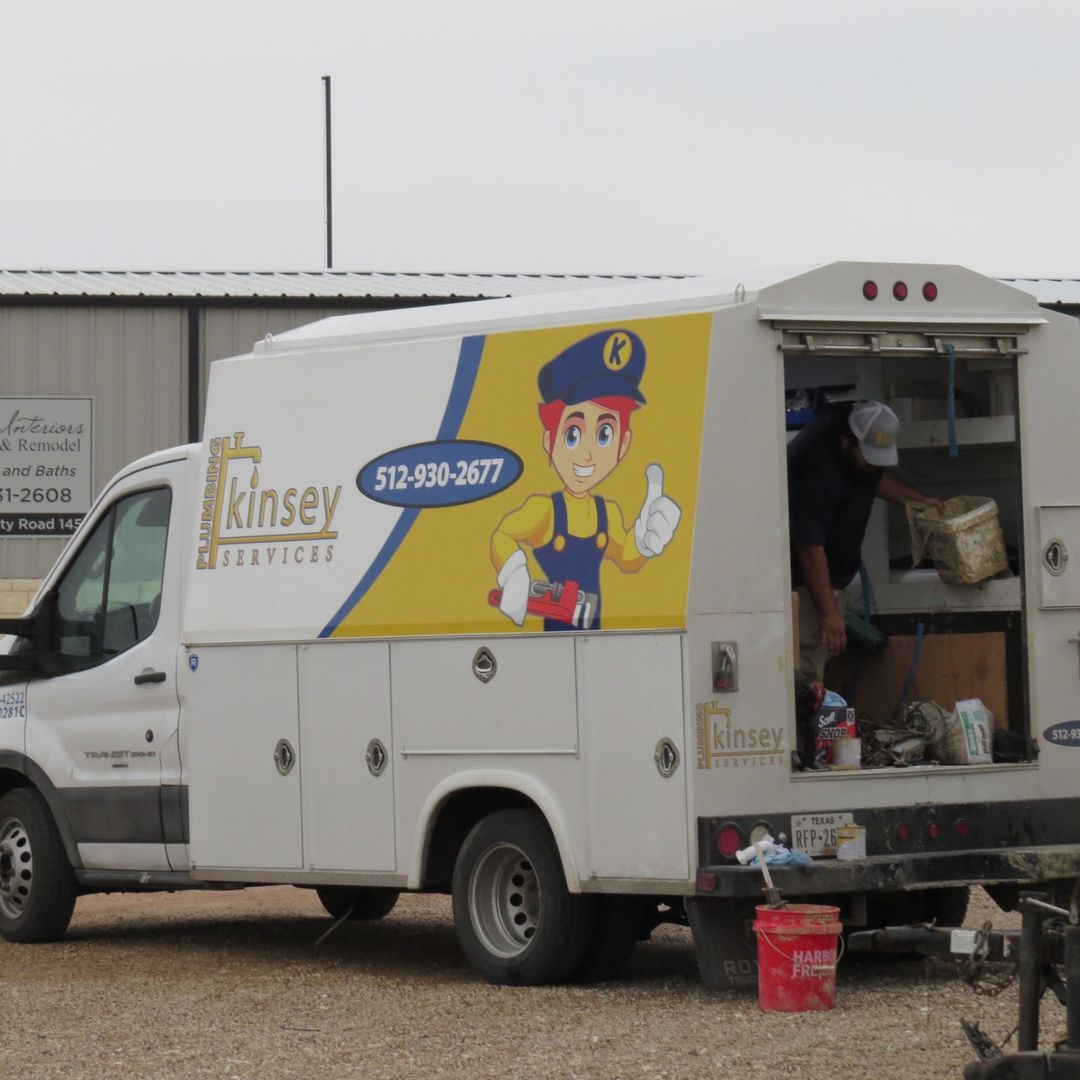
Austin’s hot, dry summers can affect more than outdoor landscaping. Extended dry conditions may cause soil around a home’s foundation to shrink or shift, potentially placing additional stress on plumbing lines beneath a concrete slab.
Summer heat does not automatically cause a slab leak, but existing pipe weaknesses can become more noticeable as soil and foundation conditions change.
Knowing the signs of a slab leak after Austin’s hot, dry summer can help homeowners recognize when a plumbing problem deserves professional evaluation.
A rising water bill is one of the most common signs of a hidden plumbing leak.
Higher summer water use can result from irrigation, pools, guests, or increased household activity. The concern is when usage remains unusually high without a clear reason.
Check for:
A consistent increase may indicate that water is escaping from a pipe beneath the slab or elsewhere in the plumbing system. If the source of the increased water use is not visible, Professional slab leak detection in Austin can help determine whether a concealed plumbing line beneath the foundation is contributing to the problem.
Your water meter can provide an important clue when checking for a hidden leak.
Turn off faucets, toilets, appliances, irrigation, and other water-using equipment. Record the meter reading, avoid using water for a short period, and check it again.
If the reading changes while no water should be in use, the plumbing system may have an active leak that requires further investigation.
Unexplained warm areas on flooring can be a potential sign of a hot-water line leaking beneath the slab.
Pay attention to:
Warm flooring does not confirm a slab leak by itself, but it becomes more significant when combined with other warning signs.
Water leaking beneath a slab may eventually affect flooring and materials above the foundation.
Watch for:
Moisture may travel before becoming visible, so the damaged area is not always directly above the leaking pipe. If flooring changes or moisture continue without an obvious source, Professional plumbing repair in Austin can help identify the affected plumbing and determine the appropriate repair.
A slab leak can sometimes be heard before it becomes visible.
When the home is quiet and no fixtures are running, listen for:
Persistent water sounds when everything is turned off are worth investigating, particularly when your water meter also shows continued usage.
A damaged water line beneath the foundation can allow water to escape before it reaches fixtures, potentially affecting pressure throughout the home.
Look for:
Low water pressure can have several causes, including valves, regulators, mineral buildup, or supply problems. When it appears with other Austin slab leak signs, professional testing can help identify the source.
A leaking underground pipe may eventually create moisture around the home’s foundation or nearby areas.
Check for:
After a long dry period in Austin, an isolated wet area can be particularly noticeable. If the moisture has no clear source or continues to return, Professional leak detection in Austin can help determine whether a hidden plumbing leak is contributing to the problem.
.jpeg)

If you notice one or more warning signs, start with a few simple checks before assuming the problem is serious.
You can:
If several signs appear together or the source is not visible, a professional evaluation can help confirm whether a leak is present beneath the slab. The appropriate testing method depends on the plumbing system, the suspected location of the leak, and the condition of the affected pipe.
A slab leak can remain concealed while water continues escaping beneath the home.
Over time, an unresolved leak may increase water consumption and contribute to moisture affecting flooring, baseboards, or surrounding building materials.
Professional testing helps confirm whether a slab leak is actually present, locate the affected plumbing line, and determine the appropriate repair based on the condition of the system. If you are noticing signs of a possible slab leak, Contact Kinsey Plumbing, Heating & Air to schedule a professional evaluation.
Hot weather alone does not directly cause every slab leak. However, prolonged dry conditions can contribute to soil movement around a foundation, which may place additional stress on plumbing lines that already have weak or deteriorated areas.
Common slab leak signs include unexplained increases in water use, meter movement when fixtures are off, warm or damp flooring, reduced water pressure, running-water sounds, and moisture near the foundation.
A higher water bill does not automatically indicate a slab leak. Irrigation, running toilets, household usage, and other plumbing leaks can also increase consumption. Persistent unexplained usage becomes more significant when combined with other warning signs.
Professional plumbers may use leak-detection equipment, pressure testing, hydrostatic testing, and other diagnostic methods depending on the plumbing system and suspected location. Testing helps locate the problem before determining the appropriate repair.
Once a slab leak has been confirmed, timely repair can help reduce continued water loss and limit moisture-related damage. The repair method depends on the location, severity, and condition of the affected plumbing line.
After Austin’s hot, dry summer, changes in water use, flooring temperature, pressure, water sounds, or moisture around the foundation can provide valuable clues about plumbing beneath the home.
If you notice several signs of a slab leak, Kinsey Plumbing, Heating & Air can evaluate the plumbing system, locate the suspected leak, and recommend the appropriate next step.
Schedule slab leak detection with Kinsey Plumbing, Heating & Air if you suspect a hidden plumbing problem beneath your Austin home.