
Oops! Something went wrong while submitting the form.
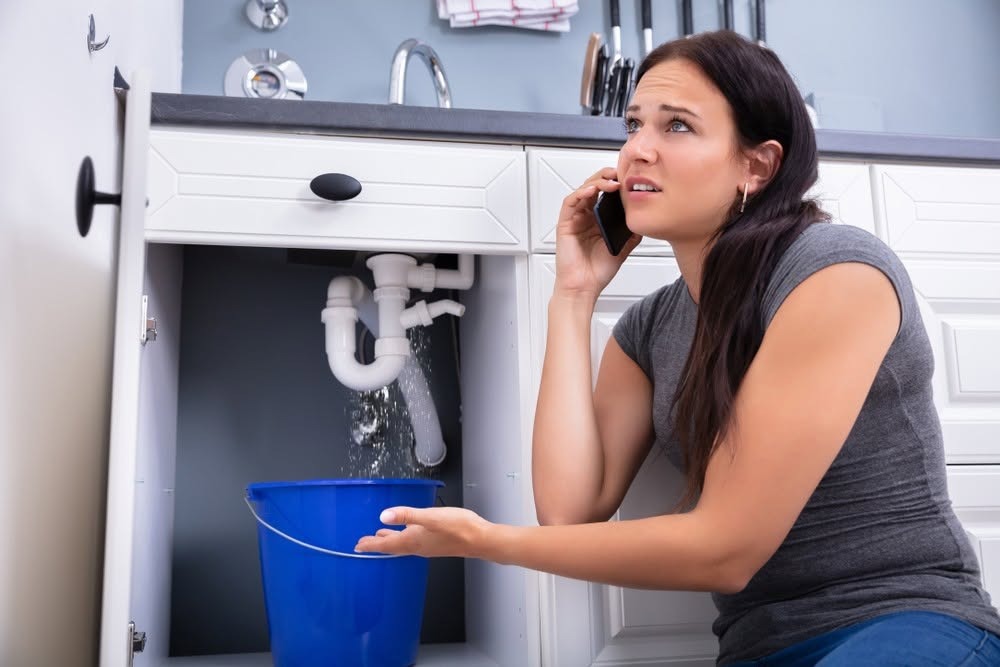
Summer often brings more activity at home, from family gatherings and outdoor cooking to lawn watering, extra showers, and increased laundry. While most homeowners focus on keeping their homes cool during hot weather, the plumbing system also works harder during the summer months.
As household water use increases during the summer, minor plumbing concerns can become more noticeable. Issues such as slow drains, leaking outdoor faucets, sewer odors, or a water heater that struggles to keep up may seem manageable at first, but they can lead to more costly repairs if left unaddressed.
By recognizing the most common summer plumbing problems and their early warning signs, homeowners can take timely action, reduce the risk of emergencies, and keep their plumbing systems running reliably throughout the season.
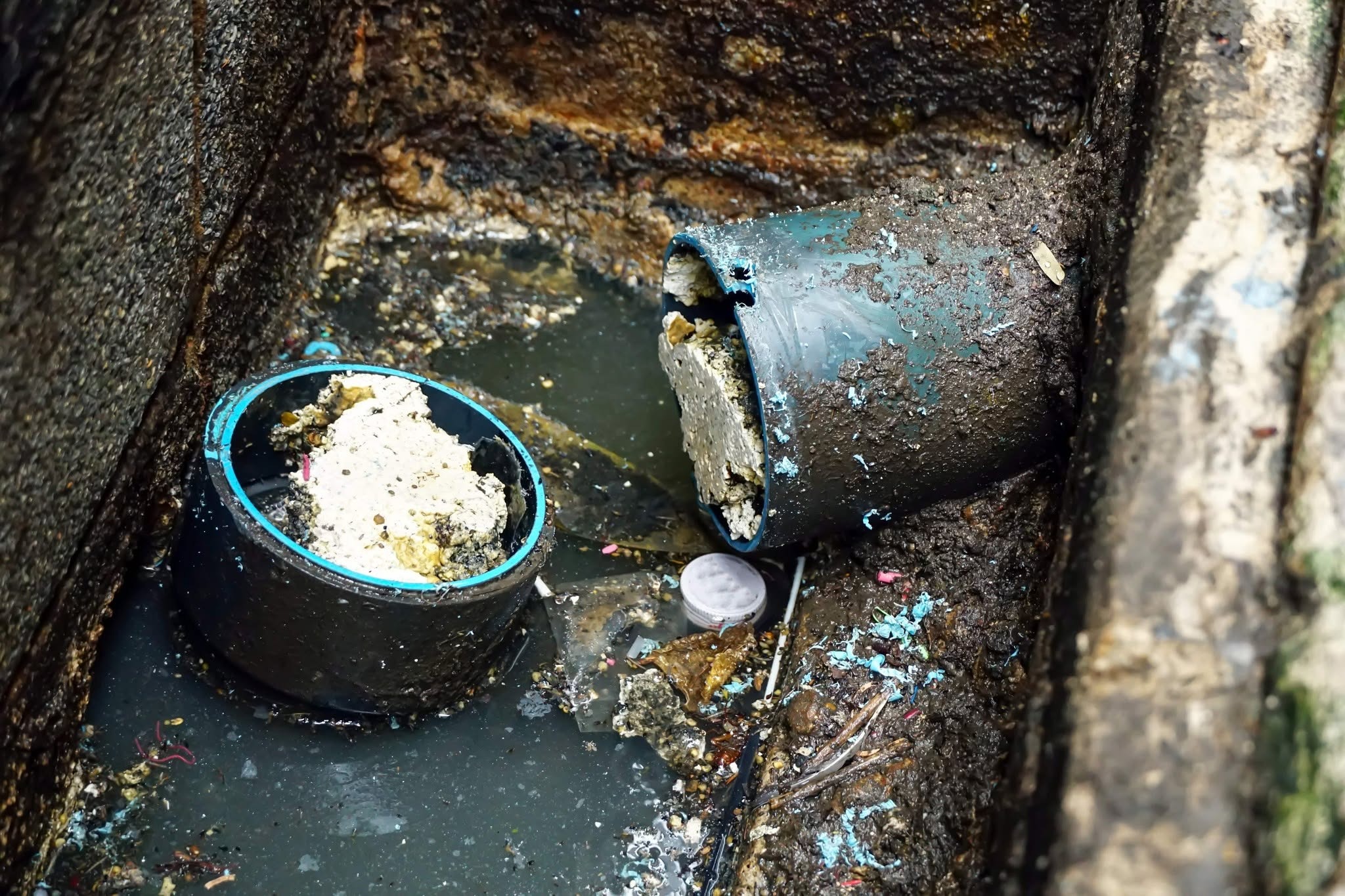
Clogged drains are one of the most common plumbing problems during summer. Kitchens and bathrooms are used more often when children are home from school, guests visit, or families host cookouts and gatherings.
In the kitchen, grease, food scraps, oils, and soap residue can collect inside the drain line. In bathrooms, hair, soap scum, sunscreen, toothpaste, and personal care products can build up in sinks, tubs, and showers.
Common warning signs of clogged drains include:
To help prevent drain clogs, avoid pouring grease down the sink, use drain strainers, remove visible hair from shower drains, and keep wipes or hygiene products out of toilets. If a drain keeps slowing down, Professional drain cleaning may be needed to remove buildup deeper in the plumbing line.
Sewer line issues can also become more noticeable during summer. In hot and dry weather, tree roots may search for moisture underground. If there is a small crack, loose joint, or weak spot in a sewer line, roots can grow into the pipe and create a blockage.
Unlike a single clogged sink or shower, sewer line problems often affect multiple fixtures in the home.
Warning signs of sewer line trouble include:
Sewer line problems should be addressed quickly. Waiting too long can increase the risk of wastewater backups, property damage, and more costly repairs. A licensed plumber can inspect the line, identify the cause, and recommend the right solution.
Outdoor plumbing gets more use in summer for gardening, washing cars, filling pools, cleaning patios, and watering lawns. Because outdoor faucets are not always checked closely, leaks can go unnoticed for days or weeks.
Even a small outdoor faucet leak can waste water, increase utility bills, and create moisture problems around the foundation or exterior walls.
Signs of an outdoor faucet leak include:
Homeowners can reduce the risk of Outdoor faucet leaks by checking hose connections, avoiding overtightening, and inspecting faucets regularly during periods of heavy use. If the faucet continues to drip or feels loose, it should be repaired before the issue becomes worse.
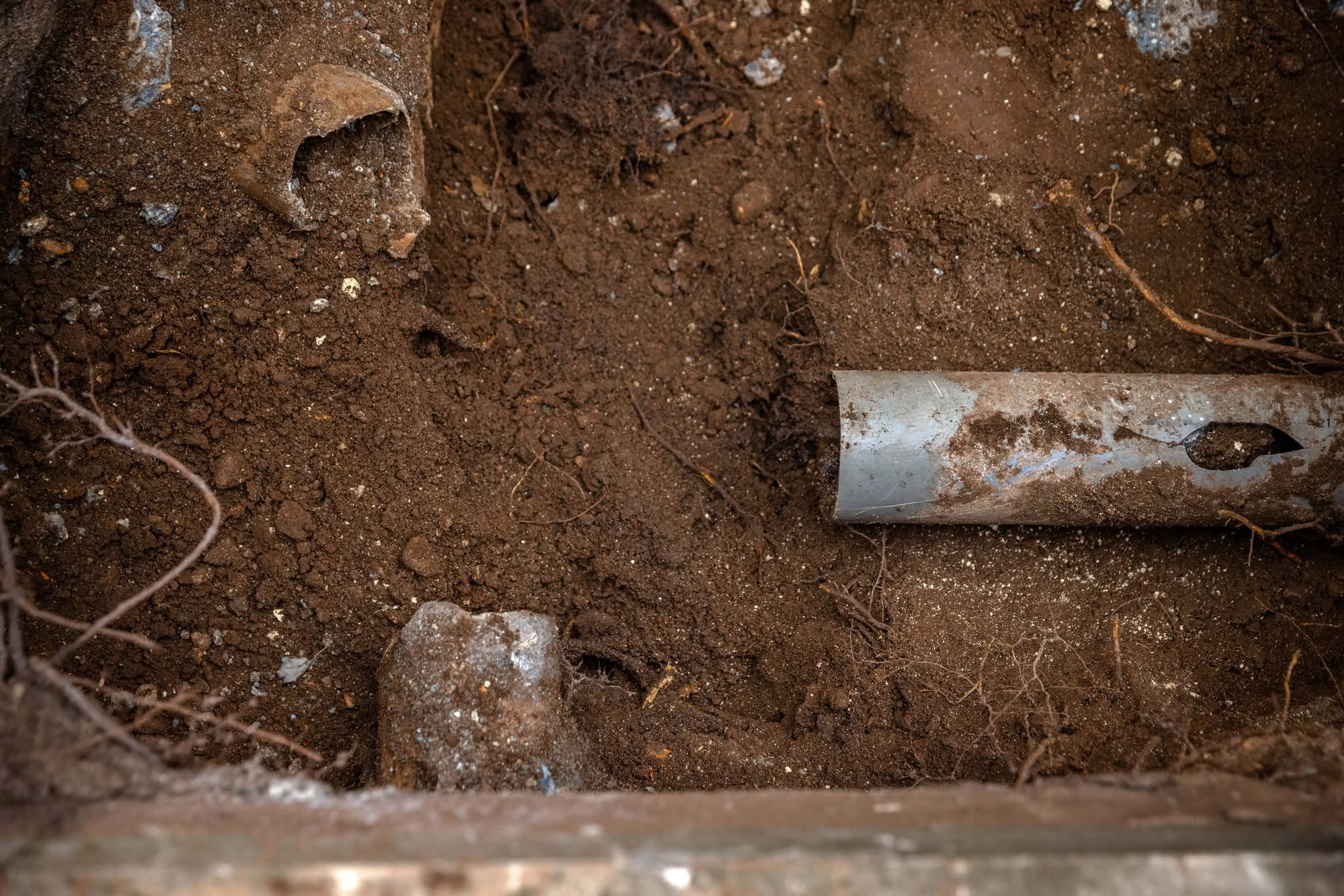
Sprinkler systems are especially active during the summer, but they can also create hidden plumbing concerns. A cracked irrigation line, damaged sprinkler head, or leaking valve can waste a significant amount of water.
Because many irrigation lines are underground, leaks are not always obvious right away.
Common signs of sprinkler system leaks include:
It is a good idea to walk around the yard while the sprinkler system is running. Look for broken heads, overspray, pooling water, or areas that are much wetter than others. Early repairs can help reduce water waste and prevent soil movement near the home.
Water heaters are often associated with colder months, but they can also be strained during summer. Extra guests, more showers, frequent laundry, and increased dishwashing can place additional demand on the system.
If the water heater is older or has not been maintained, it may struggle to keep up.
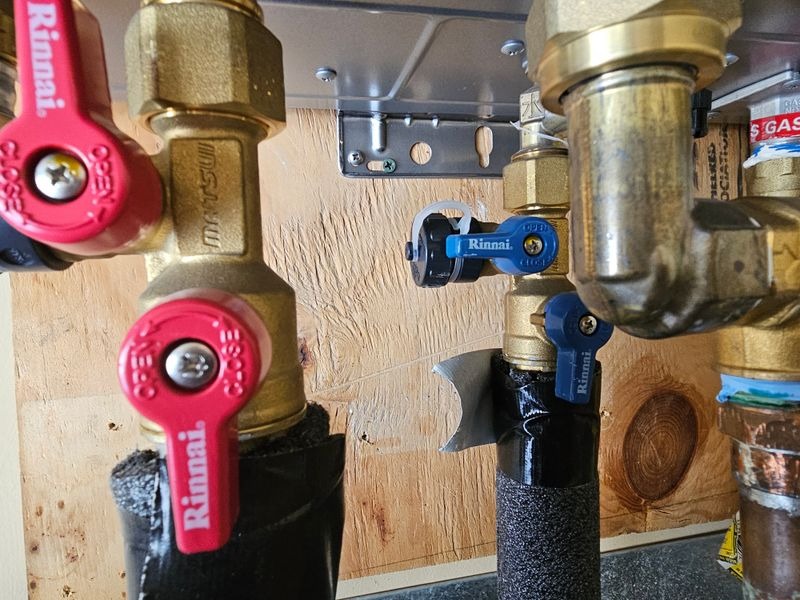
Warning signs of water heater problems include:
Routine maintenance can help improve water heater performance and extend the life of the system. Flushing sediment, checking for leaks, and scheduling professional inspection can help prevent unexpected breakdowns.
Many summer plumbing problems can be reduced with consistent maintenance and early attention.
Homeowners should:
Small plumbing issues are usually easier and less expensive to fix when they are caught early. Ignoring warning signs can lead to backups, water damage, and emergency repairs.
The most common summer plumbing problems include clogged drains, sewer line backups, outdoor faucet leaks, sprinkler system leaks, and water heater issues caused by increased household use.
Drains often clog more in summer because homes usually see more cooking, cleaning, showers, laundry, and guest activity. Grease, food particles, hair, soap, and debris can build up faster during periods of heavier use.
Tree roots can damage sewer lines when they grow into cracks, joints, or weak spots in underground pipes. This can cause slow drains, sewer odors, backups, and yard drainage problems.
An outdoor faucet may be leaking if it drips after being turned off, creates wet soil nearby, has low hose pressure, or shows signs of rust, cracks, or water stains around the fixture.
A licensed plumber should be contacted when drains keep clogging, multiple fixtures back up, sewer odors appear, outdoor leaks continue, or the water heater shows signs of failure.
Summer plumbing problems often begin with small warning signs, such as slow drains, unusual odors, outdoor leaks, or changes in water heater performance. Addressing these issues early can help prevent larger disruptions, water damage, and costly repairs.
Kinsey Plumbing, Heating & Air provides professional plumbing repair, drain cleaning, sewer services, outdoor plumbing support, and water heater services to help homeowners keep their plumbing systems reliable during the summer season. Schedule service with the Kinsey team to resolve plumbing concerns before they turn into more serious problems.