Oops! Something went wrong while submitting the form.
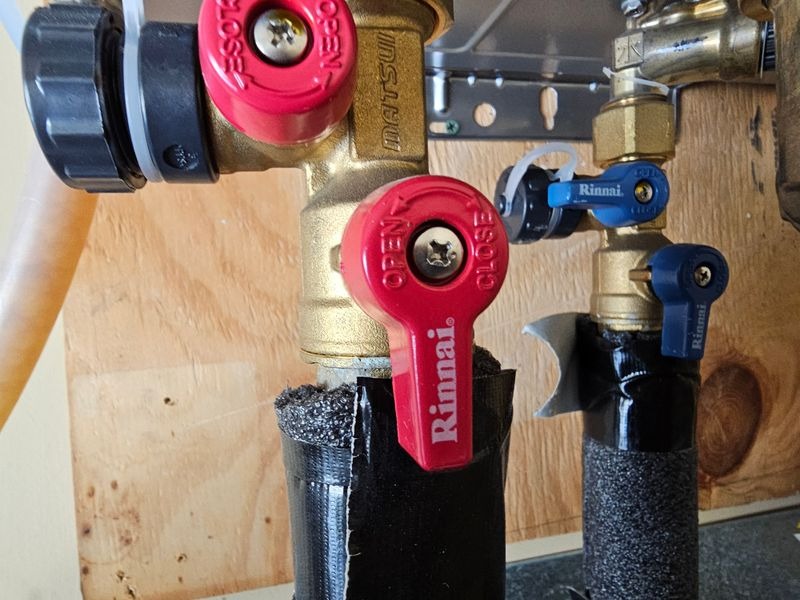
Hybrid water heaters can provide an energy-efficient hot water solution in Austin, even during the winter months. However, colder outdoor temperatures, lower incoming water temperatures, and installation conditions can influence heating efficiency, electricity consumption, and hot water recovery. Understanding these factors is essential when evaluating the system's winter performance and operating costs.
Combining heat pump technology with conventional electric resistance heating, hybrid water heaters offer flexible operation to maintain hot water availability while managing energy consumption. Their overall efficiency depends on equipment specifications, installation location, household demand, and operating settings. Evaluating these considerations helps determine whether a hybrid water heater is a practical and cost-effective option for year-round use in Austin.
A hybrid water heater combines heat pump technology with conventional electric resistance heating. Instead of generating all its heat directly through electricity, the heat pump extracts warmth from surrounding air and transfers it into the water stored inside the tank.
Most hybrid models offer several operating modes:
This combination helps balance energy efficiency with hot water availability. For consistent performance and proper system selection, explore professional hybrid water heater installation in Austin.
Austin's relatively mild winters generally support heat pump water heater operation. According to NOAA's 1991–2020 climate normals for Austin Camp Mabry, January average temperatures range from 41.8°F overnight lows to 62.5°F daytime highs.
However, occasional cold fronts can lower temperatures, particularly in unconditioned garages. Colder surrounding air reduces available heat energy, potentially extending heating cycles and increasing reliance on electric resistance elements.
Installation location, airflow, and equipment specifications therefore play important roles in maintaining winter efficiency.
Cold weather can increase electricity consumption, particularly when incoming water temperatures decrease or household hot water demand rises.
Two factors are particularly important:
When hot water demand exceeds the heat pump's recovery capacity, the system may activate its electric resistance elements, increasing electricity consumption. Regular inspections can help identify heating problems and maintain reliable equipment operation. For professional assistance, visit Kinsey's water heater repair services in Austin.
According to ENERGY STAR's heat pump water heater savings estimates, certified heat pump water heaters use approximately 70% less energy than standard electric resistance water heaters. ENERGY STAR's estimated annual savings for a household of four are approximately $550, based on an assumed electricity rate of $0.146 per kWh and other program-specific assumptions. Actual savings in Austin will vary with electricity rates, household usage, installation conditions, and equipment performance.
When comparing models, homeowners should review the Uniform Energy Factor (UEF). A higher UEF generally indicates better energy efficiency. According to ENERGY STAR's water heater certification criteria, standard integrated heat pump water heaters require a minimum UEF of 3.30. Certain 120-volt integrated and split-system models have different minimum requirements.
These ratings help homeowners compare equipment efficiency, but actual winter performance also depends on installation conditions and operating settings.
A hybrid water heater must provide enough stored hot water to meet household demand while recovering the tank temperature between usage periods.
Key factors include:
Changes in hot water availability or recovery time may indicate an equipment performance issue. For additional guidance, read 7 Signs You Need Water Heater Repair in Austin.


Proper installation supports hybrid water heater efficiency and reliable operation. Key considerations include:
Following manufacturer specifications for installation, airflow, clearance, and drainage helps maintain heating efficiency and consistent hot water performance.
A hybrid water heater can be a practical investment for Austin homeowners looking to reduce electricity consumption while maintaining a reliable hot water supply.
It may be particularly suitable for households replacing an older electric resistance water heater and those with an appropriate indoor installation location.
However, the overall value depends on:
For an accurate assessment of installation costs, energy efficiency, and equipment suitability, schedule a hybrid water heater consultation with Kinsey Plumbing, Heating & Air to discuss the best replacement options for your Austin home.
Hybrid water heaters can operate during Austin winters. Their efficiency depends on surrounding air temperature, incoming water temperature, and the selected operating mode.
Electricity consumption can increase when colder conditions reduce heat pump efficiency or activate backup electric resistance heating.
Yes. High household demand, insufficient tank capacity, or limited recovery time can reduce hot water availability. Proper sizing helps prevent this problem.
Heat pump mode generally prioritizes energy efficiency. Hybrid mode may be more suitable when household demand increases and additional heating capacity is needed. Follow the manufacturer's operating recommendations.
Follow the manufacturer's maintenance schedule. Periodic inspections, air filter cleaning, condensate drain checks, and anode rod evaluation where applicable help support reliable operation.
A hybrid water heater can provide efficient hot water throughout much of Austin's winter season when properly selected and installed. Evaluating household demand, installation conditions, and equipment performance is essential for achieving reliable operation and managing electricity consumption.
If you are considering replacing an existing water heater or upgrading to a more energy-efficient system, Contact Kinsey Plumbing, Heating & Air to discuss hybrid water heater installation options for your Austin home.