

Oops! Something went wrong while submitting the form.
By late summer, your air conditioner has already faced some of the toughest cooling conditions of the year. Long operating hours, high outdoor temperatures, humidity, dust, and everyday demand can gradually affect efficiency and reliability.
That makes the end of summer a practical time to evaluate your AC especially if routine service was missed, the unit is getting older, or you have noticed changes in comfort or operation.
For Central Texas homes, this timing matters because hot weather often continues after August. Addressing signs of wear now can help your AC remain dependable through the rest of the cooling season.
A late-summer AC tune-up is routine air conditioning maintenance performed near the end of the peak cooling period.
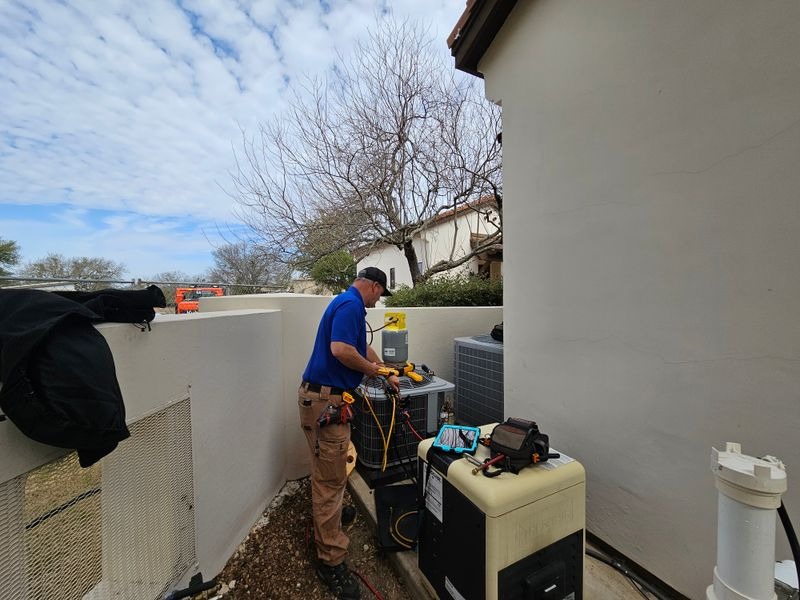
Instead of simply confirming that the unit turns on, a technician examines how effectively the AC is cooling, moving air, draining condensation, and responding to thermostat settings. Important mechanical and electrical components are also checked for signs of wear or operating concerns.
This type of visit is especially useful when your AC begins performing differently than it did earlier in the season. Longer runtimes, weaker cooling, or unfamiliar sounds can signal that the system needs closer evaluation, making a professional Air conditioning tune-up in Austin a practical step toward restoring reliable operation through the remaining summer heat.
Late-summer maintenance is most useful when there is a clear reason to take a closer look at your cooling equipment.
Consider scheduling service if:
These situations do not necessarily mean something is wrong. They simply make a preventive inspection more worthwhile while plenty of warm Central Texas weather may still be ahead.
If you already had spring maintenance and your air conditioner has continued operating normally, another full tune-up is not automatically required.
Some cooling problems develop gradually and become easier to notice after an air conditioner has worked hard through summer.
Watch for symptoms such as:
These symptoms can have several causes, so they should not be treated as proof of one specific problem. If you notice ongoing changes in cooling, airflow, cycling, noise, or moisture, Kinsey’s air conditioning repair in Austin can help identify the underlying issue and determine the appropriate next step.
An AC tune-up gives a technician an opportunity to inspect important parts of the cooling system and determine how well they are working together.
Kinsey Plumbing, Heating & Air's AC maintenance service includes cleaning, refrigerant and electrical checks, and operating tests. Depending on the type and condition of your AC, maintenance may involve reviewing:
A tune-up is not intended to solve every comfort issue. Problems involving damaged ductwork, blower components, or other mechanical faults may require additional diagnosis.


For most Central Texas homes, professional AC maintenance is recommended at least once a year, ideally before peak cooling demand begins. Older systems, heavily used equipment, or units exposed to long periods of heat, dust, and humidity may benefit from additional attention after a demanding summer.
The right maintenance schedule can also depend on manufacturer recommendations, system age, warranty requirements, previous repair history, and overall operating conditions.
Keeping a record of maintenance and repairs makes it easier to track your AC’s condition and know when service is due. If your system is due for maintenance or you are unsure when it was last serviced, Schedule an appointment with Kinsey Plumbing, Heating & Air to have your AC evaluated at a convenient time. Kinsey’s site provides online scheduling for cooling and maintenance services.
You can identify several basic concerns without opening HVAC equipment or attempting repairs yourself.
Before calling for service:
These observations cannot diagnose a technical problem, but they can help you clearly explain what has changed when speaking with your HVAC technician.
Skipping a late-summer tune-up does not mean your air conditioner will automatically break down.
The greater concern is ignoring an AC that is overdue for maintenance or already showing unusual behavior. Airflow restrictions, drainage problems, electrical faults, or worn components may remain unnoticed while the unit continues operating.
Because Central Texas can stay hot well beyond peak summer, addressing noticeable cooling issues before they become more disruptive can help protect comfort during the remaining warm weather.
Late summer can still be a useful time for AC maintenance in Central Texas, where cooling demand often continues beyond August. It is especially worth considering if maintenance was missed or new cooling problems have appeared.
A second tune-up may not be necessary if your AC was serviced in spring and has continued to operate efficiently throughout the summer. However, if you notice changes in cooling, airflow, noise, or energy use after a season of heavy operation, a late-summer inspection can help identify any new issues that may have developed.
Routine maintenance can identify certain signs of wear, drainage issues, airflow problems, and electrical concerns before they become more disruptive. It cannot prevent every unexpected component failure.
Maintenance can reduce avoidable efficiency losses caused by dirty components, clogged filters, or restricted airflow. Persistent efficiency problems may require further evaluation.
Kinsey recommends professional AC maintenance once a year, ideally before peak cooling demand. System age, manufacturer guidance, operating conditions, and warranty requirements may affect the ideal schedule.
Late summer is a useful time to pay attention to how your air conditioner is handling the final stretch of hot weather.
If you are noticing weaker airflow, longer cooling cycles, uneven temperatures, unusual noises, or moisture near the indoor unit, it may be time to have your AC inspected. Contact Kinsey Plumbing, Heating & Air to schedule a late-summer AC tune-up and make sure your cooling system is prepared to handle the remaining Central Texas heat.